Sickle Cell Disease Health Insurance
Sickle Cell Disease Health Insurance : Living with sickle cell disease (SCD) is not just a medical journey—it’s a financial and emotional one too. From frequent doctor visits to hospitalizations, medications, and long-term care, the costs can stack up fast. That’s where health insurance for sickle cell disease becomes more than paperwork; it becomes a lifeline.
But here’s the big question: How do you find health insurance that truly supports someone with sickle cell disease? Let’s break it down in plain English—no jargon, no fluff—just real, useful guidance.
Understanding Sickle Cell Disease and Its Long-Term Care Needs
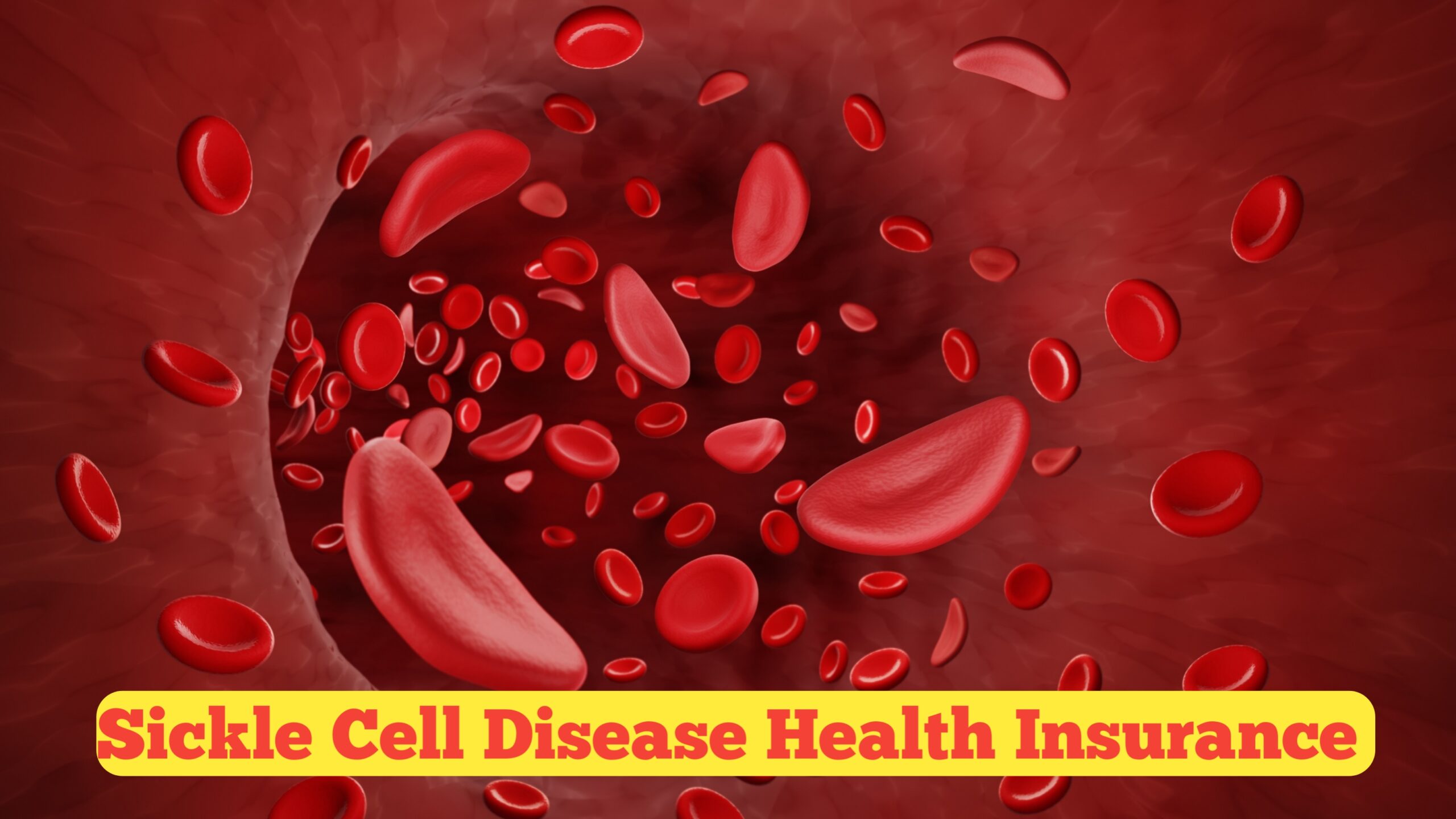
Sickle Cell Disease Health Insurance : Sickle cell disease is a genetic blood disorder that affects hemoglobin, the part of red blood cells responsible for carrying oxygen. Instead of being round and flexible, red blood cells become stiff and sickle-shaped, causing blockages, pain episodes, infections, and organ damage.
Why SCD Requires Ongoing Medical Care
Sickle Cell Disease Health Insurance : SCD isn’t something you “treat once and forget.” It’s lifelong. Patients often need:
-
Regular checkups with hematologists
-
Prescription medications
-
Pain management services
-
Emergency care during pain crises
-
Preventive screenings
-
Mental health support
All of this makes comprehensive health insurance essential, not optional.
Why Health Insurance Is Critical for Sickle Cell Disease
Sickle Cell Disease Health Insurance : Imagine driving a car without insurance—you might be fine for a while, but one accident can change everything. Sickle cell disease works the same way. Even during stable periods, unexpected complications can arise overnight.
Financial Protection Against High Medical Costs
Hospital stays, emergency room visits, and specialty drugs can cost thousands. Health insurance helps cover:
-
Inpatient and outpatient care
-
Emergency services
-
Prescription drugs
-
Preventive services
Without coverage, these expenses can become overwhelming.
Types of Health Insurance Options for Sickle Cell Disease
Sickle Cell Disease Health Insurance : Not all health insurance plans are created equal, especially for chronic conditions like SCD. Let’s explore the main options.
Employer-Sponsored Health Insurance
If available, employer-sponsored plans are often a solid choice. They typically offer:
-
Lower monthly premiums
-
Broader provider networks
-
Better coverage for specialist care
However, always check if hematologists and specialty hospitals are in-network.
Government-Supported Health Insurance Programs
Public health insurance programs can be a game-changer for individuals and families affected by SCD. These plans often:
-
Cover pre-existing conditions
-
Offer low or no premiums
-
Include comprehensive benefits
They’re especially helpful for children, low-income adults, and people with disabilities.
Private Individual Health Insurance Plans
Sickle Cell Disease Health Insurance : Private plans can work well if you don’t qualify for employer or government coverage. When evaluating these plans, pay close attention to:
-
Deductibles
-
Out-of-pocket maximums
-
Prescription drug coverage
-
Specialist access
Key Health Insurance Benefits for Sickle Cell Disease
Sickle Cell Disease Health Insurance : Choosing a plan isn’t just about price. It’s about what’s covered.
Coverage for Specialist Care
SCD management often requires a hematologist. A good plan should allow:
-
Direct access to specialists
-
Referrals without excessive delays
Prescription Drug Coverage
Medications are a cornerstone of SCD treatment. Make sure your plan covers:
-
Long-term maintenance drugs
-
Pain management medications
-
New or advanced therapies
Check the drug formulary carefully.
Emergency and Hospital Services
Pain crises can happen anytime. Your insurance should cover:
-
Emergency room visits
-
Hospital admissions
-
Intensive care if needed
Low emergency copays can make a huge difference.
Preventive and Supportive Care
Sickle Cell Disease Health Insurance : Preventive care reduces complications. Look for coverage that includes:
-
Vaccinations
-
Routine screenings
-
Mental health counseling
Understanding Costs: Premiums, Deductibles, and Copays
Health insurance costs can feel like a maze. Let’s simplify.
Monthly Premiums
This is what you pay every month just to keep your insurance active. Lower premiums may sound appealing, but they often come with higher out-of-pocket costs.
Deductibles
The amount you pay before insurance kicks in. For SCD patients, lower deductibles are usually better because care is frequent.
Copays and Coinsurance
These are the costs you share with your insurance company for visits, medications, and hospital stays. Predictable copays can help with budgeting.
Choosing the Best Health Insurance Plan for Sickle Cell Disease
Here’s how to choose wisely without losing your sanity.
Check the Provider Network
Always confirm that:
-
Your current doctors are in-network
-
Nearby hospitals are covered
Out-of-network care can be very expensive.
Review the Plan’s Drug Formulary
Not all medications are covered equally. Look for:
-
Affordable tiers for SCD medications
-
Reasonable prior authorization rules
Look at the Out-of-Pocket Maximum
This is the most you’ll pay in a year. Once you hit it, insurance covers 100% of covered services. For chronic conditions, a lower out-of-pocket maximum is a big win.
Health Insurance Challenges Faced by Sickle Cell Patients
Even with insurance, challenges exist.
Coverage Gaps and Denials
Some patients face:
-
Denied claims
-
Delayed approvals
-
Limited access to new treatments
Knowing how to appeal insurance decisions is crucial.
Mental and Emotional Stress
Dealing with insurance paperwork while managing pain can feel exhausting. Support from care coordinators or patient advocates can help ease the burden.
Tips to Maximize Health Insurance Benefits
Think of your insurance like a tool—it works best when you know how to use it.
Keep Detailed Medical Records
Accurate records help with:
-
Claim approvals
-
Appeals
-
Continuity of care
Use Preventive Services
Preventive care is often fully covered and helps reduce long-term complications.
Ask Questions
Never assume. Call your insurance provider and ask:
-
What’s covered?
-
What needs pre-approval?
-
How can costs be reduced?
Health Insurance and Children with Sickle Cell Disease
Sickle Cell Disease Health Insurance : Children with SCD need early and consistent care.
Pediatric Coverage Essentials
A good pediatric plan should include:
-
Newborn screenings
-
Pediatric hematologists
-
Developmental and mental health support
Early intervention can change outcomes dramatically.

Transitioning from Pediatric to Adult Health Insurance
This transition is often overlooked but extremely important.
Planning Ahead
Young adults with SCD should:
-
Review new insurance options early
-
Ensure continuity of care
-
Understand adult care networks
A smooth transition prevents gaps in treatment.
The Future of Health Insurance for Sickle Cell Disease
Healthcare is evolving, and so is SCD treatment. As therapies advance, insurance plans are slowly adapting to cover:
-
Innovative medications
-
Specialized care models
-
Integrated mental health services
Staying informed helps patients advocate for better coverage.
Conclusion
Sickle Cell Disease Health Insurance : Health insurance for sickle cell disease isn’t just about checking a box—it’s about securing stability, access, and peace of mind. The right plan can mean fewer financial surprises, better care, and a higher quality of life. By understanding coverage options, costs, and benefits, individuals and families affected by SCD can make informed choices that truly support their health journey.
Frequently Asked Questions (FAQs)
1. Is sickle cell disease considered a pre-existing condition for health insurance?
Yes, sickle cell disease is a pre-existing condition. However, modern health insurance plans are required to cover pre-existing conditions without charging higher premiums.
2. What type of health insurance is best for someone with sickle cell disease?
Plans with low deductibles, strong prescription coverage, and access to specialists are usually best for managing sickle cell disease.
3. Does health insurance cover pain management for sickle cell disease?
Most comprehensive plans cover pain management, including hospital care and medications, though coverage details vary by plan.
4. Are mental health services covered for people with sickle cell disease?
Many health insurance plans include mental health coverage, which is important due to the emotional challenges associated with chronic illness.
5. How can someone reduce out-of-pocket costs for sickle cell disease care?
Choosing a plan with a low out-of-pocket maximum, using in-network providers, and taking advantage of preventive care can significantly reduce costs.
Read More :-