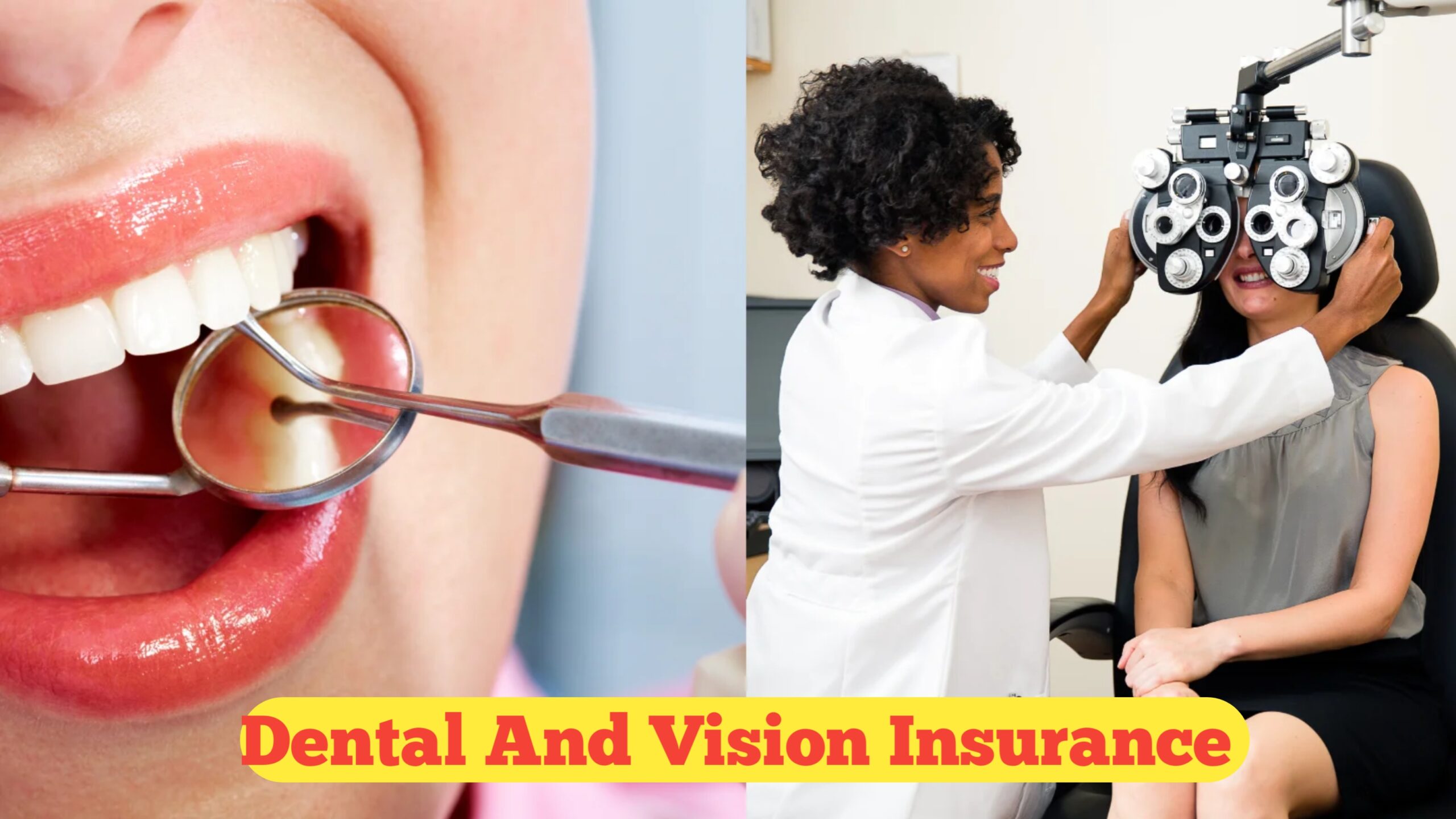
Dental And Vision Insurance
Dental And Vision Insurance : Dental and vision insurance often sit quietly in the corner of health planning—until you need them. A sudden toothache, broken glasses, or blurry vision can quickly remind you how expensive care becomes without coverage. That’s exactly where dental and vision insurance step in, acting like a safety net for your smile and sight.
In this detailed guide, we’ll break down what dental and vision insurance really are, how they work, who needs them, and how to choose the best plan for your needs—without the confusing jargon.
What Is Dental and Vision Insurance?
Dental And Vision Insurance : Dental and vision insurance are specialized health insurance plans designed to cover routine, preventive, and sometimes major care related to your teeth and eyes.
Unlike general medical insurance, these plans focus on:
-
Preventive care
-
Early detection of problems
-
Cost savings on routine services
They are often purchased separately or bundled together as an add-on.
Why Dental and Vision Insurance Matter More Than You Think
Dental And Vision Insurance : Many people delay dental and eye care because of cost. Unfortunately, skipping routine checkups often leads to bigger—and more expensive—problems later.
Think of dental and vision insurance like regular maintenance for your car. Oil changes and tire checks cost little, but skipping them can lead to engine failure. Your teeth and eyes work the same way.
Understanding Dental Insurance in Simple Terms
What Does Dental Insurance Cover?
Most dental insurance plans fall into three main categories:
Preventive Care
Usually covered at 100%:
-
Routine cleanings
-
Oral exams
-
X-rays
Basic Procedures
Partially covered:
-
Fillings
-
Tooth extractions
-
Root planing
Major Procedures
Lower coverage percentage:
-
Crowns
-
Bridges
-
Dentures
-
Root canals
Common Dental Insurance Plan Types
Preferred Provider Organization (PPO)
-
Freedom to choose dentists
-
Lower costs with in-network providers
Dental Health Maintenance Organization (DHMO)
-
Lower premiums
-
Limited provider network
Indemnity Plans
-
Maximum freedom
-
Higher out-of-pocket costs
What Is Vision Insurance and How Does It Work?
Dental And Vision Insurance : Vision insurance focuses on maintaining eye health and correcting vision problems.
Typical Vision Insurance Coverage
-
Annual eye exams
-
Vision tests
-
Allowances for glasses or contact lenses
-
Discounts on lens upgrades
Some plans also help detect early signs of eye diseases like glaucoma or macular degeneration.
Dental vs Vision Insurance: Key Differences
| Feature | Dental Insurance | Vision Insurance |
|---|---|---|
| Focus | Teeth and gums | Eyes and vision |
| Preventive Care | Cleanings, exams | Eye exams |
| Frequency | 2–3 visits per year | Usually once per year |
| Coverage Limits | Annual maximum | Allowance-based |
Who Should Consider Dental and Vision Insurance?
Families with Children
Kids need regular checkups, braces, and vision screenings.
Working Professionals
Long screen hours can strain eyes; stress impacts oral health.
Seniors
Higher risk of gum disease, tooth loss, and vision decline.
Self-Employed Individuals
No employer benefits means personal coverage becomes essential.
Dental and Vision Insurance for Individuals vs Families
Individual Plans
-
Lower premiums
-
Ideal for single adults
Family Plans
-
Broader coverage
-
Cost-effective for multiple members
Family plans usually cover children at a reduced cost per person.
Employer-Provided vs Private Plans
Employer-Sponsored Plans
-
Lower premiums
-
Limited customization
Private Dental and Vision Plans
-
More flexibility
-
Wider choice of providers
Choosing between them depends on budget, provider preference, and coverage needs.
Key Terms You Must Understand Before Buying
Premium
Monthly amount you pay for coverage.
Deductible
Amount you pay before insurance starts covering costs.
Annual Maximum
Maximum amount the plan will pay in a year.
Waiting Period
Time before certain services are covered.
Understanding these terms helps avoid unpleasant surprises later.
How Much Does Dental and Vision Insurance Cost?
Costs vary based on coverage and location, but generally:
-
Dental insurance: Low to moderate monthly cost
-
Vision insurance: Usually very affordable
Bundled plans often reduce overall expenses.
How to Choose the Best Dental and Vision Insurance Plan
1. Assess Your Needs
Do you need braces, frequent exams, or prescription lenses?
2. Check Provider Networks
Make sure your preferred dentist or eye doctor is included.
3. Compare Coverage Levels
Look closely at preventive vs major care coverage.
4. Review Annual Limits
Ensure the plan covers potential high-cost treatments.
Common Mistakes People Make
-
Ignoring waiting periods
-
Choosing the cheapest plan without checking coverage
-
Not using preventive benefits
-
Overlooking annual maximums
Avoiding these mistakes can save you hundreds every year.
Dental and Vision Insurance Myths Debunked
“I Don’t Need It Because I’m Healthy”
Preventive care keeps you healthy.
“It’s Too Expensive”
Routine care without insurance often costs more.
“Medical Insurance Covers Dental and Vision”
Usually only in emergencies.
The Long-Term Benefits of Dental and Vision Insurance
-
Better overall health
-
Early disease detection
-
Lower lifetime healthcare costs
-
Improved quality of life
Your smile and eyesight directly affect confidence, productivity, and well-being.
Future Trends in Dental and Vision Insurance
-
Digital eye exams
-
Preventive-focused plans
-
Flexible allowances
-
Tele-dentistry and virtual eye consultations
Insurance is evolving to become more user-friendly and proactive.
Conclusion
Dental And Vision Insurance : Dental and vision insurance aren’t luxury add-ons—they’re essential tools for maintaining long-term health. From routine cleanings to vision correction, these plans make care affordable, accessible, and stress-free. Choosing the right coverage today can protect your smile, safeguard your eyesight, and save you from unexpected expenses tomorrow.
If you value prevention over panic and planning over pain, dental and vision insurance are absolutely worth it.
Frequently Asked Questions (FAQs)
1. Is dental and vision insurance worth it?
Yes. Regular preventive care often costs more without insurance, making coverage a smart financial choice.
2. Can I buy dental and vision insurance separately?
Yes, both can be purchased individually or as a bundled plan.
3. Does dental insurance cover cosmetic procedures?
Most plans do not cover cosmetic treatments like teeth whitening.
4. How often can I use vision insurance?
Most plans allow one comprehensive eye exam per year.
5. Is there a waiting period for dental insurance?
Many plans have waiting periods for major procedures but not for preventive care.
Read More :-